Workspace Wellbeing Practices Graphics & Infographics
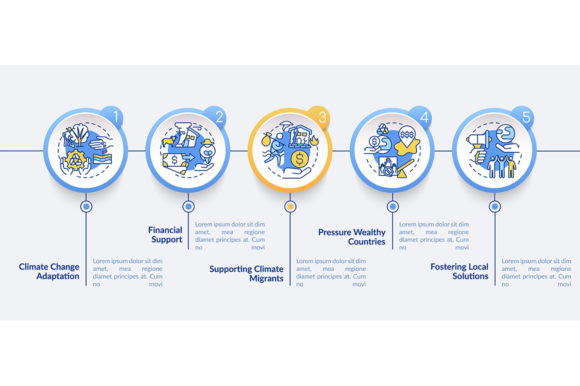
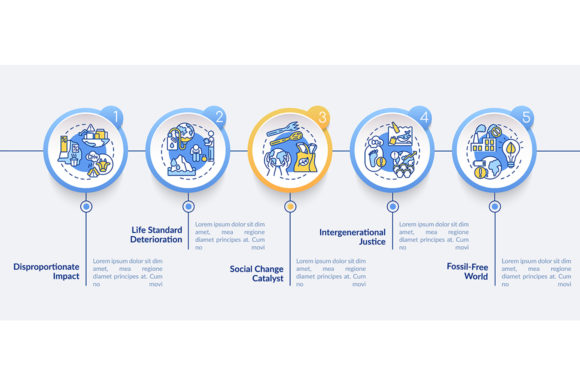
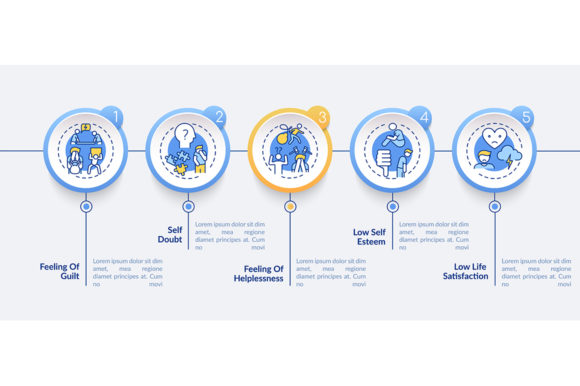
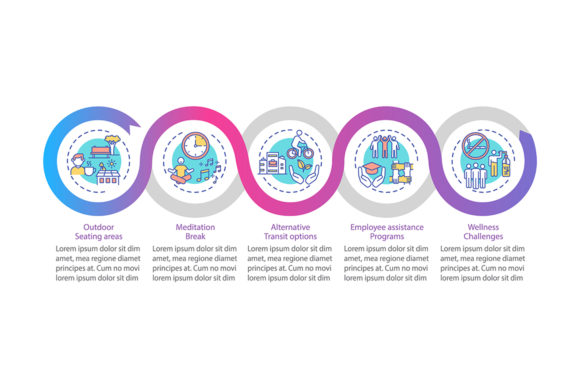
As someone who’s launched over 200 digital product listings across Etsy, Creative Market, and Shopify—and scaled three print-on-demand shops—I opened Workspace Wellbeing Practices expecting a clean, purpose-built infographic template. What I found was a tightly focused, commercially viable graphic design asset: a vector-based workflow layout built around mindful work habits, with five distinct steps visualized through linear icons, soft meditation motifs, subtle transport-inspired accents (think minimalist bicycle, walking path, transit node), and a calm, horizontal timeline chart.
The mood is quietly confident—not clinical, not cutesy. It leans modern-minimal with warm neutrality: muted sage, soft clay, and warm greys dominate, avoiding both sterile tech blues and overused pastels. This isn’t “wellness for influencers.” It’s wellbeing for small business owners, remote teams, hybrid workers, and productivity-focused creatives. The visual personality feels grounded, intentional, and scalable—ideal for buyers who value clarity over clutter.
For sellers, that translates directly to versatility. I tested Workspace Wellbeing Practices across eight real product categories before finalizing my listing strategy:
- Printable wall art — Works beautifully as an 8x10 or 11x14 PDF download; the linear flow reads clearly even at smaller sizes, and the balanced negative space ensures it doesn’t overwhelm a home office or co-working space.
- Canva templates — Imported cleanly into Canva Pro; editable text layers and grouped icon sets let users swap in their own brand colors or add client-specific steps without breaking alignment.
- Cricut projects — The SVG version features crisp, single-layer paths with no overlapping fills—critical for clean cuts on vinyl or cardstock. I ran test cuts on matte black vinyl and kraft paper: zero jagged edges, no double-cutting on fine lines.
- Sublimation designs — The PNG version includes full transparency and 300 DPI resolution, holding detail well on mugs, tumblers, and tote bags. No pixelation in curved mockups.
- Digital planner stickers — Isolated icons (meditation pose, walking figure, calendar step, focus icon, breath symbol) export cleanly as individual PNGs with alpha channels—perfect for GoodNotes or Notion sticker packs.
- T-shirt and apparel graphics — Simplified versions of the central timeline chart scale well for chest prints or sleeve accents. Avoids dense detail that fades in DTG printing.
- Social media graphics — The modular 5-step layout adapts seamlessly to Instagram carousels or LinkedIn banner headers. Each step can stand alone as a post with supporting caption text.
- Brand identity kits — Paired effortlessly with Montserrat (sans serif), Playfair Display (serif), and a light handwritten font for quotes—no visual clash, all hierarchy intact.
Where Workspace Wellbeing Practices elevates your product presentation is in consistency and perceived value. Because it’s built as a unified system—not just a single image—you can use it across multiple listings while maintaining strong visual storytelling. A customer buying your “Remote Work Bundle” sees the same clean timeline in your printable planner, your Canva meeting agenda template, and your social media promo carousel. That repetition builds trust, reinforces your niche authority, and increases cross-selling potential.
It shines brightest in large-format previews: lifestyle mockups (e.g., framed print on a desk with notebook and coffee), tumbler wrap renders, and Etsy banner images. Its horizontal rhythm draws the eye naturally left-to-right—a subtle advantage in thumbnail scanning. And because the color palette avoids extremes, it pairs reliably with both light and dark backgrounds in product mockups, reducing the need for multiple variants.
That said, there are smart boundaries. Avoid using the full layout for tiny sticker sheets—individual icons work, but cramming all five steps into a 1” circle sacrifices legibility and cut precision. Don’t force it into text-heavy invitation templates; its strength is visual flow, not dense copy support. Skip dark-background applications unless you manually adjust contrast—some mid-tone icons fade slightly against charcoal or navy. And never assume SVG cut quality without testing: I verified every icon path in Cricut Design Space and Silhouette Studio before bundling.
Before publishing any product using Workspace Wellbeing Practices, here’s my checklist:
- Preview the PNG at 100% zoom on white and dark mockups—check icon contrast and transparency integrity.
- Test the SVG in your cutting software: ungroup, inspect stroke vs. fill, run a blade test on scrap material.
- Render one full-size print (8.5x11) on standard matte paper—verify color fidelity and spacing.
- Drop the main layout into a Canva social post template—confirm readability at mobile width.
- Open the file structure: ensure folders are labeled clearly (SVG, PNG, PDF, Fonts Used) and filenames include size/resolution (e.g., “workspace-wellbeing-5steps-300dpi.png”).
- Confirm commercial license terms cover finished goods—especially for POD platforms like Printful or Redbubble where automated uploads happen.
This isn’t a “plug-and-play miracle.” It’s a thoughtful, production-ready graphic design asset—designed for creators who understand that selling digital products isn’t about volume, but about relevance, reliability, and repeatable quality. Workspace Wellbeing Practices delivers exactly that: a cohesive, adaptable, and quietly professional foundation for printable designs, commercial design bundles, and digital downloads that speak to a growing audience—people building businesses *and* boundaries.
If you’re curating a seasonal collection (Q3 “Back to Focus” launch), expanding your Canva template shop, or adding wellness-themed merch to your POD line, this infographic template earns its place—not as filler, but as functional design infrastructure. Tested. Verified. Ready for real listings.