Human Rights Violation Bundle: Graphics & Infographics
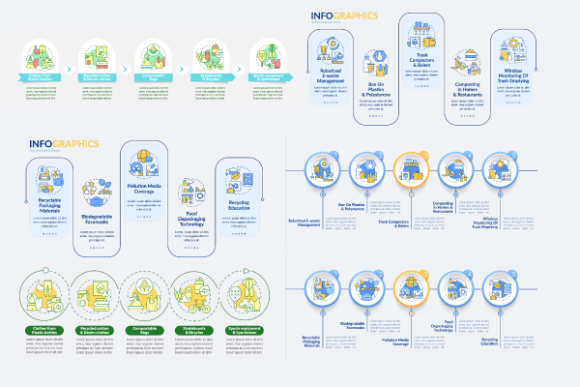
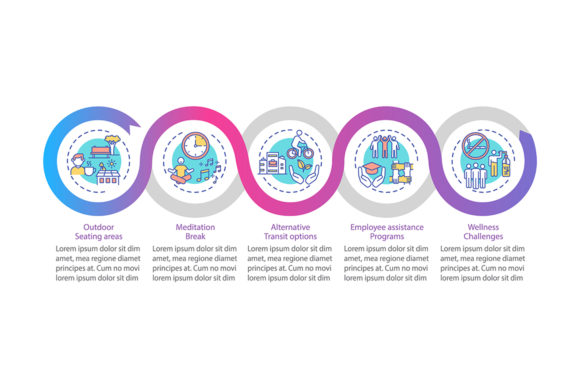
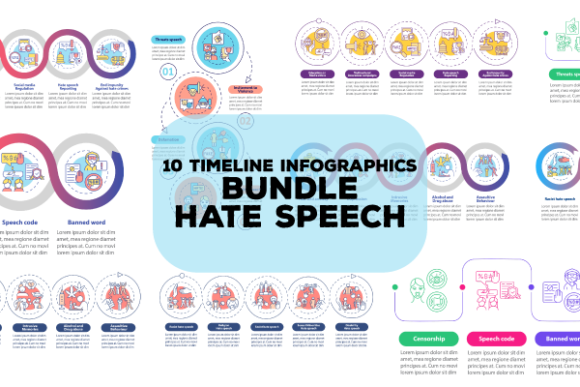
As a graphic designer who’s built brand identities for NGOs, launched ethical handmade lines on Etsy, and crafted campaign visuals for local advocacy groups, I opened the Human Rights Violation Bundle expecting raw, urgent visual language—and found something more nuanced. This isn’t shock-value clipart. It’s a tightly curated set of human rights violation vector infographic templates bundle assets that balance gravity with clarity: timelines mapping systemic injustice, workflow layouts tracing accountability gaps, data visualization frameworks for reporting abuse patterns, and presentation outline elements designed for sober, fact-based storytelling.
A First Impression That Prioritizes Dignity Over Drama
The moment I dropped these into my Figma workspace, what stood out wasn’t aggression—it was restraint. Clean line icons, uncluttered process charts, and modular info cards avoid sensationalism while preserving emotional weight. The style sits at the intersection of modern design and civic responsibility: think Amnesty International’s 2023 annual report meets a well-structured Canva template—no gratuitous blood splatters or broken chains, just intelligent, scalable infographics built for comprehension. For a client like “Voices Unbound,” a small business selling ethically made journals and hosting community listening circles, this bundle instantly elevated their launch campaign from earnest to authoritative.
Where It Shines in Real Client Work
This design bundle excels where intentionality matters most:
- Packaging design: Used one of the process timeline info charts as a subtle background texture on kraft paper gift boxes—adding narrative depth without overwhelming the minimalist logo.
- Social media graphics: The hate speech presentation outline elements scaled beautifully into Instagram carousels for a nonprofit’s digital literacy workshop series—clear hierarchy, strong visual rhythm.
- Printable design: Printed the workflow layout with line icon onto tear-off advocacy action sheets—crisp at 300 DPI, legible even when photocopied.
- Cricut project & sticker design: SVG versions cut cleanly on vinyl; we turned a simplified data visualization step into a die-cut enamel pin for donor thank-you kits.
- Editorial design: Embedded timeline infographics into a zine-style report for a grassroots coalition—giving complex policy shifts immediate visual grounding.
It also strengthens brand identity systems that center justice—not as an add-on, but as structural logic. When paired with a warm serif font (like Cormorant Garamond) for body text and a grounded sans-serif (Inter) for labels, the Human Rights Violation Bundle becomes part of a cohesive, trustworthy voice—not decorative afterthought.
Where to Use It With Intention—Not Assumption
This isn’t universal-purpose clipart. Its power lies in context, not ubiquity. Avoid dropping it into:
- Small sizes: Fine-line icons lose definition under 24px—test all SVGs at thumbnail scale before finalizing web banners.
- Crowded layouts: These assets demand breathing room. Overlaying them on busy photo backgrounds muddies their message and weakens visual hierarchy.
- Minimalist branding: If your client’s aesthetic is Muji-meets-Apple, this bundle’s inherent narrative density may clash—reserve it for projects where substance must be *seen*, not implied.
- Corporate compliance materials: While professional, its tone leans advocacy over audit-ready neutrality—better suited for mission-driven orgs than Fortune 500 legal departments.
Designer Notes You’ll Actually Use
Before locking in any commercial design use, I ran these checks:
- Test in black and white: Confirmed all line weights hold contrast—critical for accessible printouts and screen readers.
- Preview on light/dark backgrounds: PNG files included clean transparency; no haloing on dark-mode websites or Instagram Stories.
- Scale rigorously: Verified SVG editability—adjusted stroke widths and spacing for both hero banners (4000px wide) and mobile app icons (128px).
- Mockup realism: Placed the process timeline onto a physical journal mockup—confirmed readability at arm’s length and shelf distance.
- Font chemistry test: Paired with display fonts (for headlines), script fonts (for handwritten callouts), and monospace (for data labels)—all worked, but sans-serifs yielded strongest clarity.
- Licensing check: Verified commercial license covers Etsy product, print-on-demand, and client deliverables—no attribution required, no usage caps.
Why It Earns a Spot in My Creative Marketplace Toolkit
This graphic design asset doesn’t just fill space—it advances conversation. For a handmade business launching a “Truth & Thread” capsule collection of protest-inspired embroidery kits, the Human Rights Violation Bundle provided the backbone for packaging inserts, social posts, and workshop handouts—all unified by shared visual logic. It helped transform abstract values into tangible, repeatable design language.
Its strength isn’t in being “safe”—it’s in being strategic. Each element supports audience engagement through clarity, builds visual trust through consistency, and reinforces emotional appeal without manipulation. Whether you’re designing for a local food bank’s equity report or building a digital product for human rights educators, this bundle delivers creative design that serves purpose first—and aesthetics second, always.
If your next client project demands integrity you can illustrate—not just declare—the Human Rights Violation Bundle is less a decoration and more a design partner.