Liver Testing Vector Infographic
First Impressions and Visual Personality
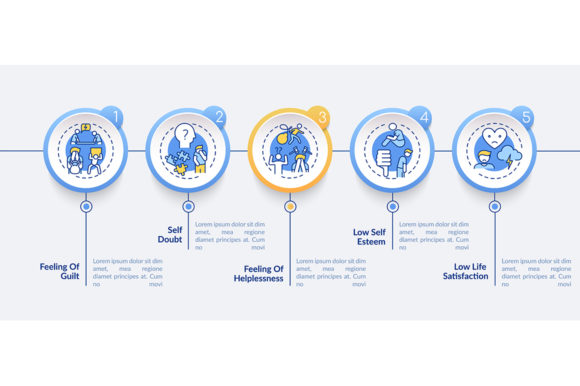
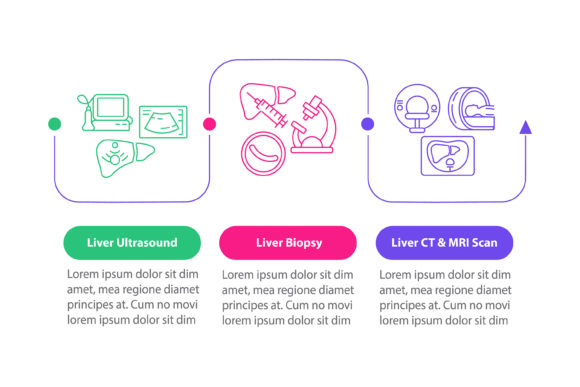
The Liver Testing Vector Infographic immediately strikes a balance between medical precision and visual clarity. Its clean, linear layout suggests a professional yet approachable tone, ideal for educational or informational embroidery projects. The design uses a three-step process timeline chart to break down the liver testing workflow, which is both intuitive and easy to follow. The use of icons and a linear workflow makes it feel organized and modern.
Visually, the design leans toward a scientific aesthetic with minimalistic elements. It avoids clutter and focuses on clear data visualization, which is essential for any project that needs to convey information effectively. The color palette is neutral, with a focus on light blues and grays, making it versatile for various fabric types and thread colors.
Real-Life Embroidery Use Case: Custom Tote Bag for Health Awareness Campaign
Imagine you're preparing a custom tote bag for a health awareness campaign at a local community center. The Liver Testing Vector Infographic would be perfect for this scenario. You could stitch it onto the front of the tote, using a bold thread color like red or orange to stand out against a white or light-colored fabric. The infographic’s step-by-step flowchart would make the tote informative and engaging, appealing to both healthcare professionals and everyday consumers.
This design works well as a personalized gift or custom apparel item. It adds value by providing useful information while maintaining a professional look. However, it's important to consider how the design will translate into physical embroidery. The linear icons and text are clear in digital form, but when stitched, they must maintain legibility and clarity.
Embroidery Performance in Real Projects
The Liver Testing Vector Infographic performs well in most embroidery applications, especially those that require clear, readable visuals. It's suitable for sweatshirt embroidery, tote bag design, and apron embroidery. However, there are some considerations to keep in mind.
For small hoop sizes, the design may appear cramped, especially if the text or icons are too detailed. It's best to test the design on scrap fabric first to ensure it fits within your hoop size and maintains its intended look. Additionally, the design includes tiny lettering and decorative accents, which can be challenging to stitch clearly on thin or textured fabrics.
If you're planning to use this design on dark fabric or textured fabric, you'll need to choose high-contrast thread colors. A bright yellow or white thread can help the design stand out. On the other hand, light-colored fabric allows for more flexibility in thread selection, offering a broader range of creative options.
Design Notes for Embroidery Designers
As an embroidery designer, I recommend several practical steps before finalizing the use of the Liver Testing Vector Infographic:
- Test the design on scrap fabric to check stitch density, clarity, and overall appearance.
- Review thread color contrast to ensure readability on different fabric backgrounds.
- Confirm hoop size to avoid distortion or stretching of the design.
- Inspect small details such as tiny text and intricate icons for stitching accuracy.
- Test black and white mockups to evaluate how the design holds up in monochrome.
- Use proper stabilizer to prevent puckering and ensure smooth stitching.
- Check licensing terms if you plan to sell finished products or digital files.
These steps will help you maintain quality and consistency, whether you're creating a handmade product, personalized gift, or commercial embroidery item.
Where to Use Carefully
While the Liver Testing Vector Infographic is versatile, it's not without limitations. For instance, it may not perform well on stretchy fabric or curved surfaces like caps and hats. The linear layout can cause distortion when applied to non-flat surfaces. Similarly, layered garments may require additional stabilizing to prevent shifting during stitching.
Additionally, dense stitch areas and detailed corners can be problematic on thin fabric or dark fabric. These areas may become less visible or even disappear if not properly executed. It's crucial to assess these factors before committing to a large-scale production run.
Impact on Visual Appeal and Customer Trust
The Liver Testing Vector Infographic has the potential to enhance the visual appeal of your embroidery projects. Its clean, organized layout and professional design make it suitable for branding and craft business purposes. When used correctly, it can increase customer trust, especially in health-related or educational contexts.
However, poor execution—such as blurry stitching or faded details—can undermine the design’s effectiveness. This is why it's so important to take time to review the design thoroughly before stitching. A well-executed embroidery file can significantly boost the perceived value of your finished product and digital embroidery file.
Conclusion and Final Thoughts
In summary, the Liver Testing Vector Infographic is a strong choice for designers looking to create informative and visually appealing embroidery projects. Whether you're working on a holiday embroidery piece, a personalized gift, or a commercial embroidery item, this design offers a solid foundation for your creativity.
With careful preparation, attention to detail, and proper technique, the Liver Testing Vector Infographic can elevate your handmade product and small shop product offerings. Always remember to test, adjust, and refine before finalizing your work. Happy stitching!