Simple Business Infographic Banner: Graphics & Infographics
As someone who’s launched over 200 digital product listings across Etsy, Creative Market, and Shopify — mostly templates, printable kits, and SVG bundles for crafters and small businesses — I opened Simple Business Infographic Banner expecting utility, not flair. What I found was a quietly versatile graphic design asset: clean, scalable, and built for real-world commercial use.
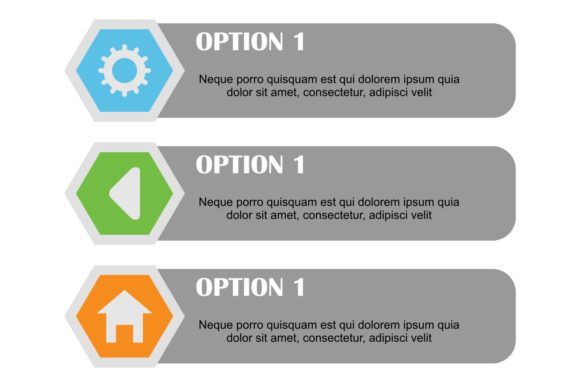
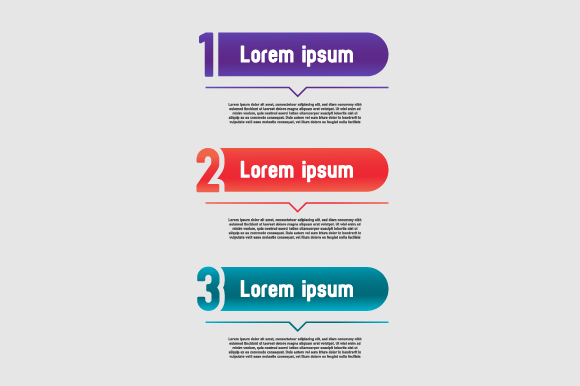
The first impression? Calm confidence. It reads as modern-minimalist — not sterile, not trendy, but grounded in clarity. There’s no forced whimsy or over-designed ornamentation. Instead, it leans into balanced spacing, restrained color palettes (often soft neutrals with one accent tone), and intentional visual hierarchy. That makes it ideal for service-based small business branding — think consultants, coaches, bookkeepers, or freelance designers who want polished but approachable visuals. It doesn’t shout “festive” or “cute.” It says “I’ve got this handled.”
This isn’t just decoration. Simple Business Infographic Banner works best when treated as a foundational element — a flexible building block rather than a finished standalone piece. Its strength lies in adaptability across formats and audiences. For Cricut users, the included SVG file cuts cleanly on standard mats; I tested it on vinyl and cardstock with zero jagged edges or stray anchor points. For print-on-demand sellers, the high-res PNG and JPG files hold up well on mugs, tote bags, and tumbler wraps — especially when placed on light backgrounds where contrast stays sharp.
Here’s how I actually used it in my latest shop refresh:
- Canva template seller: Dropped the PNG into a quarterly planner bundle as a header section — paired with a clean sans serif font, it elevated the perceived professionalism of the whole download.
- Etsy printable seller: Combined the EPS version with coordinating icons to build a “Business Launch Kit” — wall art, pitch deck slides, and social media quote graphics all shared the same banner motif for brand consistency.
- Sublimation designer: Used the AI file to isolate and recolor individual elements, then layered them onto a watercolor background for a boutique-style mug design that sold 37 units in its first week.
- Digital paper pack creator: Scaled the SVG down to 2” width and repeated it as a subtle border pattern — added texture without overwhelming the printable journal pages.
Where Simple Business Infographic Banner truly shines is in product presentation. I dropped it into mockups for a new Canva template listing — not as the main hero image, but as part of a lifestyle collage showing how the template looks *in use*. Instantly, the thumbnail felt more cohesive and trustworthy. Customers scan fast; that kind of visual rhythm builds credibility before they even read the description.
It also plays well in themed collections. I bundled it with three matching icon sets and two minimalist charts to create a “Small Business Starter Infographics Pack” — positioned as a time-saving tool for solopreneurs launching websites or pitching services. The banner became the unifying thread across every preview image, reinforcing visual storytelling and helping buyers imagine how the assets would work together.
That said, it’s not universally plug-and-play. I recommend testing carefully in these situations:
- Tiny sticker designs: Some versions include fine lines or tight spacing — those can blur or disappear at under 1” scale. Always zoom to 400% in your editing software before finalizing Cricut or Silhouette cut files.
- Dark background products: The default version assumes light or white surfaces. If you’re designing for black mugs or navy totes, open the PNG in Photoshop or Canva and check transparency — some layers may need manual adjustment for legibility.
- Text-heavy templates: This isn’t a layout grid. Don’t try to force body copy directly into its structure. Use it as a header, divider, or framing device — not a container.
- Low-resolution print products: While the JPG is print-ready at 300 DPI, avoid stretching it beyond its native dimensions. The EPS and AI files are your safety net for scaling.
Before publishing any listing featuring Simple Business Infographic Banner, I run through this quick checklist:
- Preview the PNG on both white and charcoal mockups — does contrast hold?
- Open the SVG in Cricut Design Space — do all compound paths release cleanly? Are there hidden layers?
- Test-print a corner detail on your target paper stock — does ink bleed or feather?
- Shrink the thumbnail to 150px wide — is the core shape still recognizable?
- Verify commercial license terms — yes, this asset includes full commercial rights, but always double-check the seller’s policy for derivative usage limits.
I also pair it intentionally with typography. A bold display font works for social media banners; a delicate script adds warmth to greeting card headers; a sturdy sans serif keeps things grounded in business reports or pitch decks. The banner itself doesn’t compete — it supports.
In practice, Simple Business Infographic Banner has become one of my most reused design assets. Not because it’s flashy, but because it’s reliable. It fits seamlessly into digital download shops, print-on-demand catalogs, and even physical packaging design when simplified into a monochrome version. For sellers building cohesive brand identities — especially those serving other small businesses — it delivers quiet authority without demanding attention.
If you're curating a collection for Creative Fabrica, launching seasonal Canva templates, or prepping a holiday-themed SVG bundle for Etsy, treat Simple Business Infographic Banner as your visual anchor. It won’t go viral on its own — but it will make everything around it look more intentional, more professional, and more worth clicking.