Tree Graphics for Branding and Marketing
First Impressions of Tree Infographic
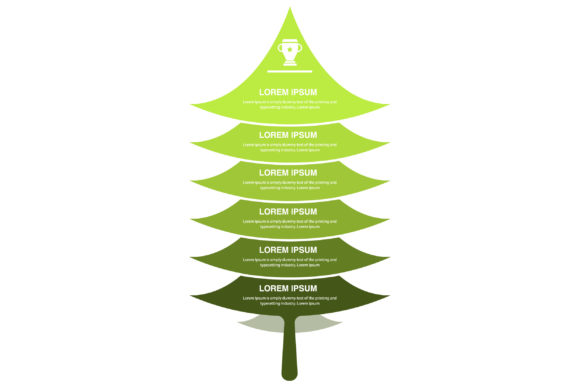
The Tree Infographic immediately evokes a sense of growth, stability, and natural harmony. Its design is clean, modern, and subtly organic, which makes it ideal for brands that want to convey trust, sustainability, or a connection to nature. The graphic design asset feels versatile enough for both casual branding and premium visuals, depending on how it's styled and integrated into the overall brand identity.
Fitting Into Real Marketing Projects
Imagine a small business launching a new line of eco-friendly products. They need a visual that reflects their commitment to the environment while also being adaptable for various marketing channels. The Tree Infographic could serve as a central graphic in this campaign. It can be used as a hero graphic on their website, a social media cover for Instagram or Facebook, or even as a packaging accent to reinforce brand values.
Where Tree Infographic Shines
- Hero Graphics: The Tree Infographic is excellent for creating eye-catching campaign headers and product launch visuals.
- Social Media: It works well as social media graphics, especially for Pinterest pins and Instagram posts that require a fresh, engaging look.
- Branded Templates: It can be incorporated into Canva templates or design bundles to offer clients a cohesive visual toolkit.
- Printable Design: The Tree Infographic is scalable and high-quality, making it suitable for printable promotions and event flyers.
- Editorial Design: It’s a great addition to editorial layouts and blog graphics that aim to educate or inform the audience.
Where to Use Carefully
While the Tree Infographic is highly adaptable, there are scenarios where it might not be the best fit. For example, in formal corporate branding, its organic style may clash with the expected professionalism. Similarly, in text-heavy ads or low-contrast backgrounds, it could become overwhelming or hard to read. It’s important to test the Tree Infographic against the brand’s tone and messaging before finalizing its use in any campaign.
Supporting Marketing Goals
The Tree Infographic supports several key marketing goals. First, it creates a stronger first impression by offering a visually appealing element that stands out in a crowded digital space. Second, it helps establish clearer visual hierarchy when used alongside text content, guiding the audience’s attention effectively.
Additionally, the Tree Infographic contributes to consistent branding by providing a reusable design element that aligns with the brand’s aesthetic. It also enhances audience trust through its professional appearance and emotional connection to nature, which resonates well with eco-conscious consumers.
Practical Designer Notes
As a brand designer, I recommend testing the Tree Infographic with your brand color palette to ensure it complements your existing visuals. Check how it looks in black and white to confirm its versatility across different contexts. Place it inside real campaign mockups to see how it interacts with other design elements.
Preview the Tree Infographic on mobile screens to ensure it remains legible and impactful in smaller formats. Test readability in small sizes, especially for email banners or social media thumbnails. Compare it against competitor visuals to assess its uniqueness and relevance.
Finally, confirm the commercial license before using it in paid campaigns or client work. This ensures you’re compliant with usage rights and can confidently integrate the Tree Infographic into your brand’s marketing strategy.
Conclusion
The Tree Infographic is a strong design asset for content creators and small businesses looking to enhance their visual storytelling. With its vector-based format and scalability, it offers flexibility across multiple platforms and mediums. Whether you're designing digital ads, web design, or brand identity, the Tree Infographic can be a valuable tool in your creative arsenal. Just remember to consider its placement and context to maximize its impact in your marketing efforts.