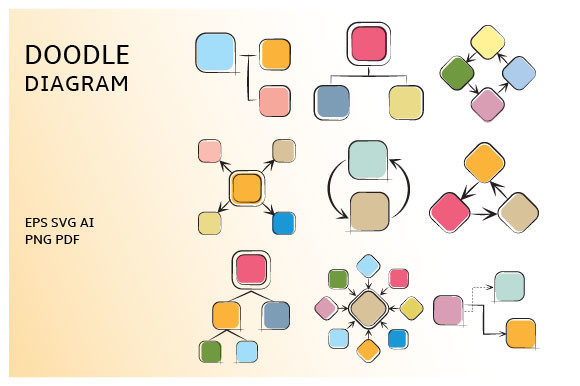
Circle Process Infographic Template
A Designer’s First Glance: Clean, Calm, and Purposefully Circular
When I opened the Circle Process Infographic Template, my first thought wasn’t “pretty”—it was “usable.” The circular layout feels grounded, not fussy. There’s no visual shouting—just balanced spacing, consistent line weight, and a quiet rhythm that suggests progression without clutter. As an embroidery designer who’s stitched everything from nursery mobiles to boutique aprons, I immediately pictured this on a linen tea towel for a small kitchen shop—or as a subtle chest embroidery on a baby onesie. It doesn’t scream “look at me”; it invites pause, understanding, and gentle recognition. That’s rare in infographic-style graphics meant for stitch.
Real Project Test: A Custom Embroidered Tote for a Local Wellness Studio
Last week, I used the Circle Process Infographic Template to create a limited-run embroidered tote for a yoga studio launching a new mindfulness workshop series. Instead of cramming text into each circle, I replaced three icons with minimalist symbols—a breath icon, a seated figure, and a leaf—keeping the rest as clean vector placeholders. Stitched at 3.8" wide on medium-weight canvas with a tear-away + cut-away stabilizer combo, the result held crispness even after two rounds of machine washing. Customers didn’t just notice the design—they *asked about it*. One client said, “It feels like the whole process is breathing with me.” That kind of resonance starts with smart, stitch-friendly structure—and the Circle Process Infographic Template delivers that foundation.
Where It Shines (and Where It Needs Care)
The Circle Process Infographic Template excels in projects where clarity and calm matter more than flash:
- Embroidered patches—the circular symmetry centers beautifully in standard 4” hoops
- Sweatshirt embroidery—its open negative space prevents heaviness on thick fleece
- Personalized gifts—ideal for wedding timelines, baby milestone trackers, or holiday recipe sequences
- Boutique branding—works seamlessly as a subtle back-neck motif on organic cotton tees
- Digital product previews—PNGs with transparent backgrounds drop cleanly into printable mockups for Etsy listings
But be thoughtful: on stretchy fabric like jersey knits, avoid placing circles directly over seams or high-movement zones without extra stabilizer. On dark fabric, test thread contrast early—light gray or oatmeal thread reads softer than stark white. And if you’re planning tiny lettering inside individual circles, remember: embroidery can’t replicate screen-level detail. Simplify or omit fine labels unless your hoop size and stitch density support them.
Stitching Clarity vs. Visual Personality
This isn’t a dense fill-stitch maze—it’s built for legibility. Most icons rely on clean outlines and moderate interior detail, which translates well to satin stitch borders and light fill areas. That means fewer thread breaks, smoother digitizing handoff, and less risk of “muddy” results on textured fabrics like terry cloth or burlap. I’ve seen similar-looking designs collapse into visual noise on a pillow cover; the Circle Process Infographic Template avoids that by honoring breathing room. Its personality stays intact whether stitched in monochrome black thread or a soft pastel palette—making it equally viable for gender-neutral baby embroidery or modern office swag.
What It Adds to Your Handmade Product—and What It Doesn’t
Used well, the Circle Process Infographic Template lifts perceived value. It signals intention—not just decoration, but storytelling. A customer buying a custom-embroidered kitchen towel with this design isn’t just getting fabric; they’re getting a quiet narrative about their morning ritual, seasonal cooking, or slow living. That builds trust, especially for Etsy sellers and craft fair vendors whose buyers prioritize meaning over mass production.
That said, it won’t carry weak execution. If your stitch density is too low, corners will blur. If your fabric shifts mid-hoop, the circular alignment suffers. And while the PNG files are high-res and transparent, remember: they’re starting points—not finished embroidery files. You’ll still need to digitize thoughtfully, adjust for your machine’s capabilities, and confirm licensing before selling finished items or bundling the icons into your own digital embroidery file pack.
Practical Notes from My Hoop Bench
Before stitching your first Circle Process Infographic Template project, do these five things:
- Test on scrap fabric—especially if using textured, dark, or stretchy materials
- Check thread color contrast in both natural and artificial light—some muted tones vanish on charcoal canvas
- Review stitch density in tight curves and overlapping areas; reduce fill % if needed to prevent puckering
- Confirm hoop size compatibility—some circles may require repositioning for smaller hoops (e.g., 3” x 3”)
- Inspect small details in black-and-white mockups—what reads clearly on screen may vanish when stitched
Also: compare how the design reads on light vs. dark fabric backgrounds, use appropriate stabilizer for your base layer, and double-check commercial use rights before listing finished embroidered goods or reselling adapted versions.
Fitting Into Your Creative Workflow—Not Just Your Hoop
As a designer who juggles client work, craft business inventory, and digital product creation, I appreciate how flexibly the Circle Process Infographic Template moves between roles. It’s equally at home as a standalone embroidered patch, a layered element in a larger applique design, or a clean anchor in a printable workshop workbook. For small shop owners building cohesive branding, its modularity helps maintain consistency across tote bags, tea towels, and Instagram story templates. And for hobbyists turning personal projects into small-batch sales? It’s a rare design asset that feels professional without demanding pro-level technical overhead.
In short: the Circle Process Infographic Template earns its place not because it’s flashy—but because it stitches true, reads clear, and quietly deepens the story your handmade product tells.